

What is Enmeshment?
Enmeshment can occur when a patient feels overly responsible for another person’s emotions, needs, desires or wellbeing. In these relationships, the patient may have difficulty knowing where their own feelings end and another person’s feelings begin. This can create confusion around identity, autonomy, individuality, and personal boundaries, especially when closeness has been associated with obligation, guilt, or emotional pressure.
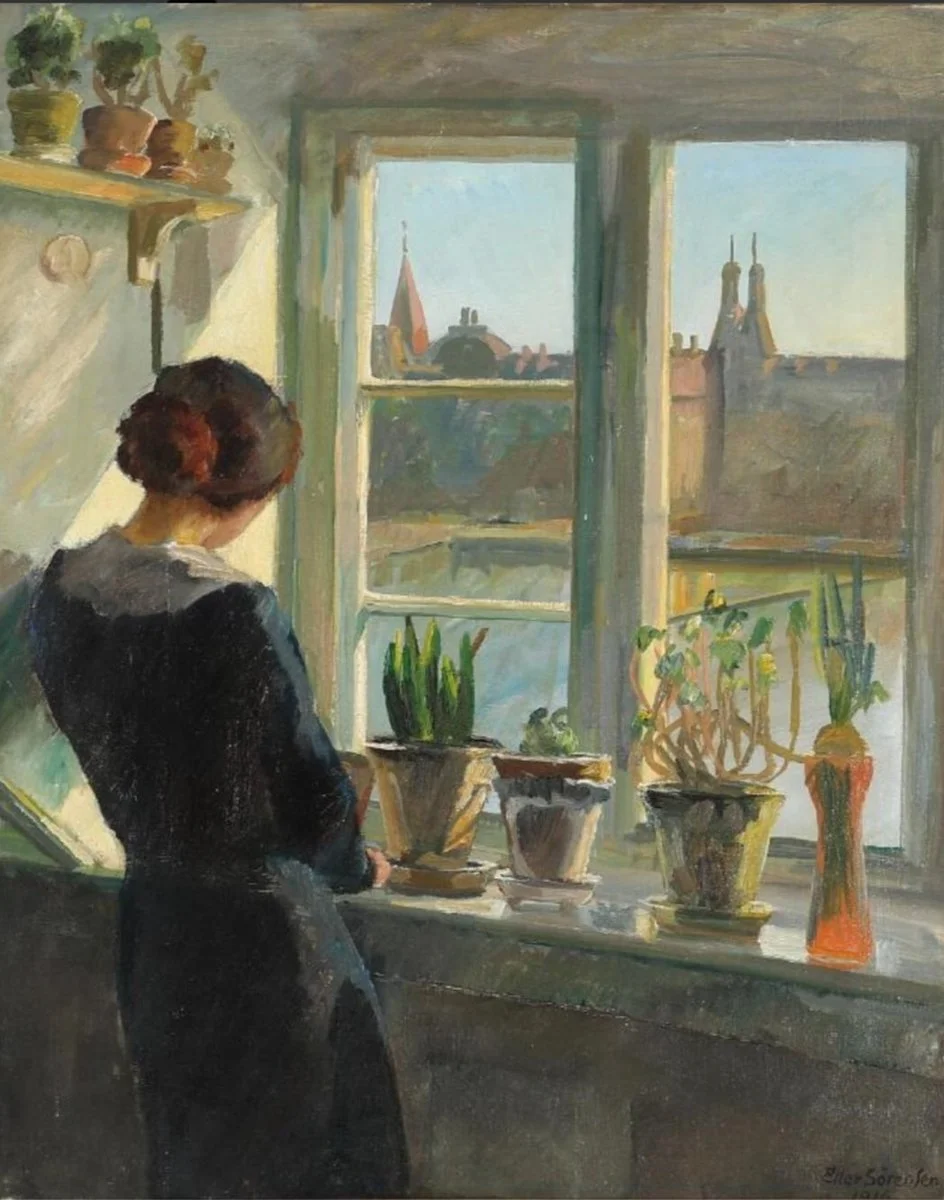
Morning Sun, Painting by Eiler Sørensen, 1916
From a psychodynamic perspective, enmeshment usually develops in early relationships where separateness was not fully supported. A patient may have learned that love required self-sacrifice, emotional caretaking, putting others needs first, or constant attunement to another person’s needs. Over time, this can make it difficult to recognize one’s own wishes, express disagreement, make things clear, or make independent choices without feeling anxious or disloyal.
Enmeshment can show up in adult relationships through people-pleasing, guilt, difficulty saying no, over-involvement in others’ problems, or a fear of disappointing loved ones. A patient may feel pulled to maintain closeness at the expense of their own needs, while also feeling overwhelmed, resentful, fearful, or uncertain about who they are outside the relationship. This can lead to emotional exhaustion and repeated relational patterns that feel difficult to change.

The Art Students, Painting by Fred Leist, 1934
In psychodynamic psychotherapy, enmeshment is seen as a meaningful relational pattern rather than a personal flaw. Therapy can help the patient understand how early attachment experiences shaped their expectations of love, responsibility, obligation, and emotional closeness. As these patterns become clearer, the patient may begin to recognize when they are taking on too much or losing touch with their own internal experience.
Over time, psychodynamic psychotherapy can support the development of healthier emotional boundaries and a stronger sense of self. The patient may become more able to care for others without feeling responsible for managing their emotions, and to remain connected without abandoning their own needs. Through this process, relationships can become more balanced, allowing for both intimacy and individuality.