

What is Introjection?
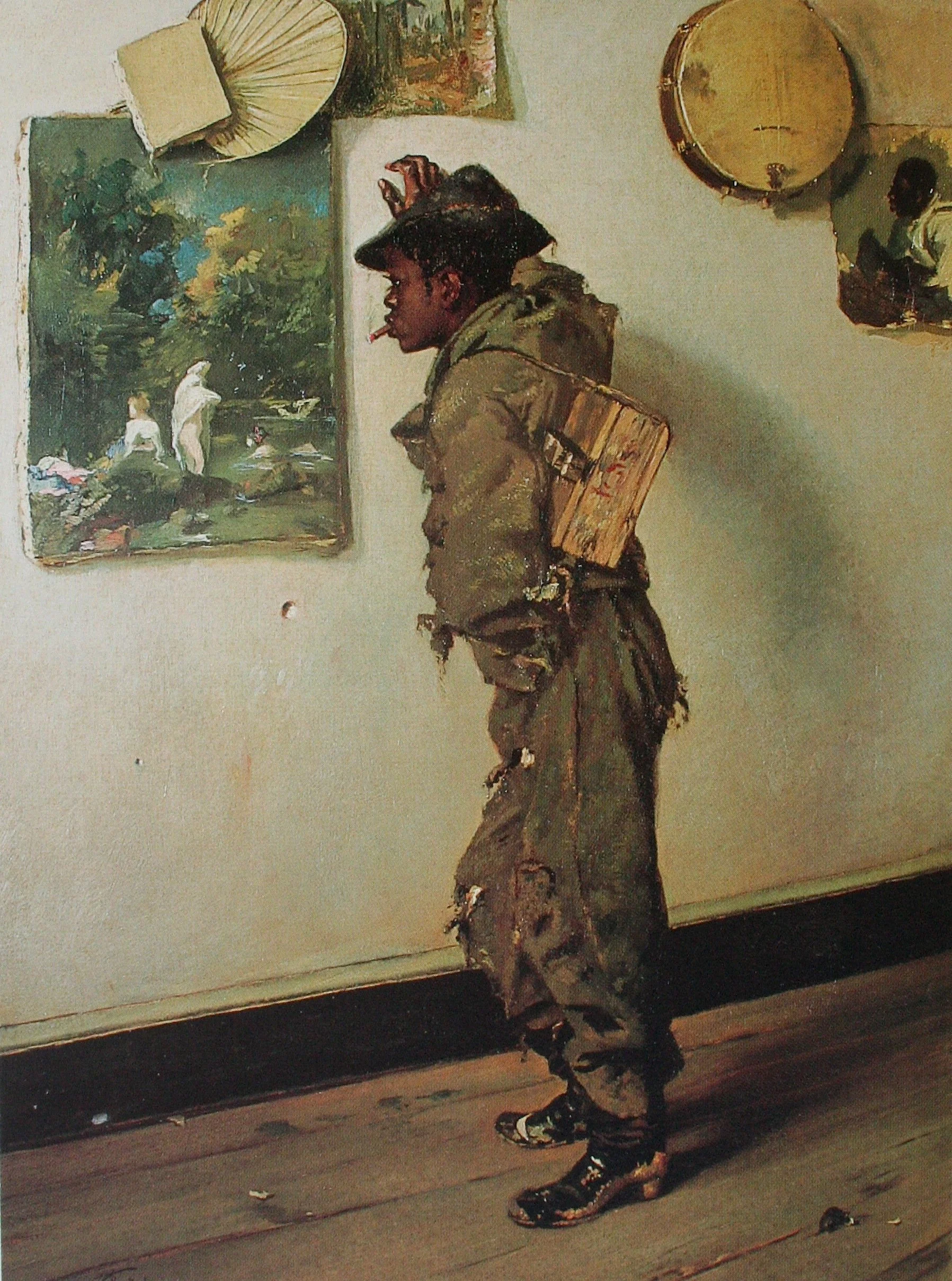
Art Student or Rising Taste, Painting by Frank Buchser, 1878
Introjection is a psychodynamic concept that describes the unconscious process of taking in the attitudes, beliefs, behaviours, or emotional states of others and making them part of one’s internal world. Rather than being experienced as “coming from the outside,” these ideas or feelings become regarded as one’s own. Introjection is most commonly shaped in relationships with parents/caregivers, authority figures, or spouses/partners, which influences how individuals perceive themselves and relate to others.
In early development, introjection plays an essential role in forming identity and internal moral structures. Children internalize the expectations and values of caregivers to maintain attachment and security, which influence their sense of right, wrong, expectations, and belonging. When caregiving is nurturing and stable, introjected messages often support confidence, compassion, optimism and healthy interpersonal boundaries. However, when care is inconsistent, harsh, hurtful or neglectful, the internalized messages can become critical, pessimistic, rigid, or punitive, contributing to emotional distress later in life.
Introjection can serve as a coping mechanism when individuals face threatening or overwhelming circumstances. A person may feel safer or more protected as though they possess those qualities themselves by internalizing the traits of a parent/caregiver or authority figure. This process can be adaptive, allowing individuals to navigate fear or uncertainty by borrowing strength or guidance from others, even when they are not physically present. For example, a child may adopt a parent’s rules in order to avoid conflict or preserve connection.

A Mountain Valley, Painting by Lisbeth Bergh, 1902
According to George Vaillant’s hierarchy of defences, introjection can operate at varying levels of maturity depending on its function and flexibility. When it supports empathy, identification, optimism, and emotional growth, introjection can serve as a more mature defensive process. On the other hand, rigid or punitive introjection can indicate a less adaptive defence, particularly when individuals turn external hostility inward and treat themselves as harshly as they were treated by others. Vaillant’s work highlights that the same mechanism, depending on its use, can either build resilience or contribute to self-criticism and vulnerability.
In psychotherapy, exploring introjection helps patients distinguish between their authentic needs and the internalized expectations of others. Processing introjected beliefs allows individuals to question whether these internal voices reflect their own values or the unresolved emotional dynamics of early relationships. As patients come to recognize and renegotiate these introjected influences, they gain greater freedom to develop a more coherent and self-directed identity, which can create healthier relationships and emotional well-being.